
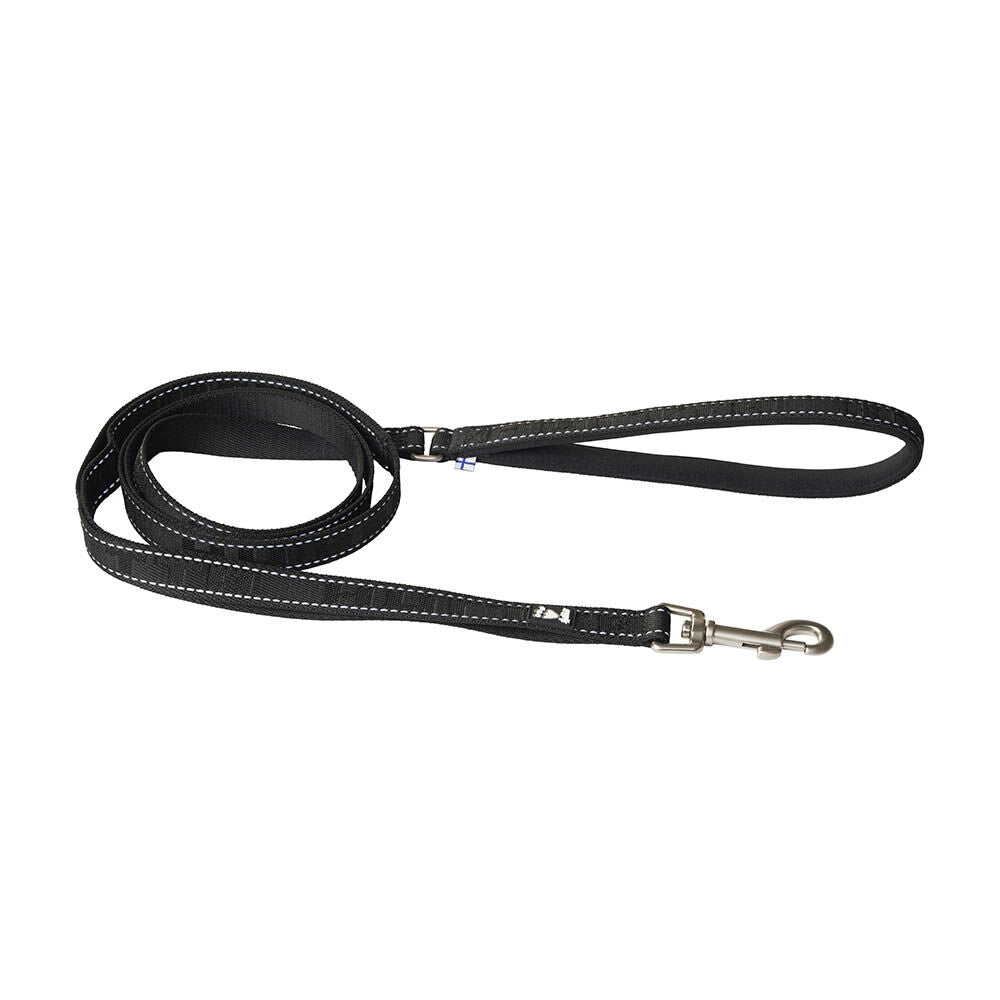
Casual Reflective Leash
Regular price
29,00 €
Regular price


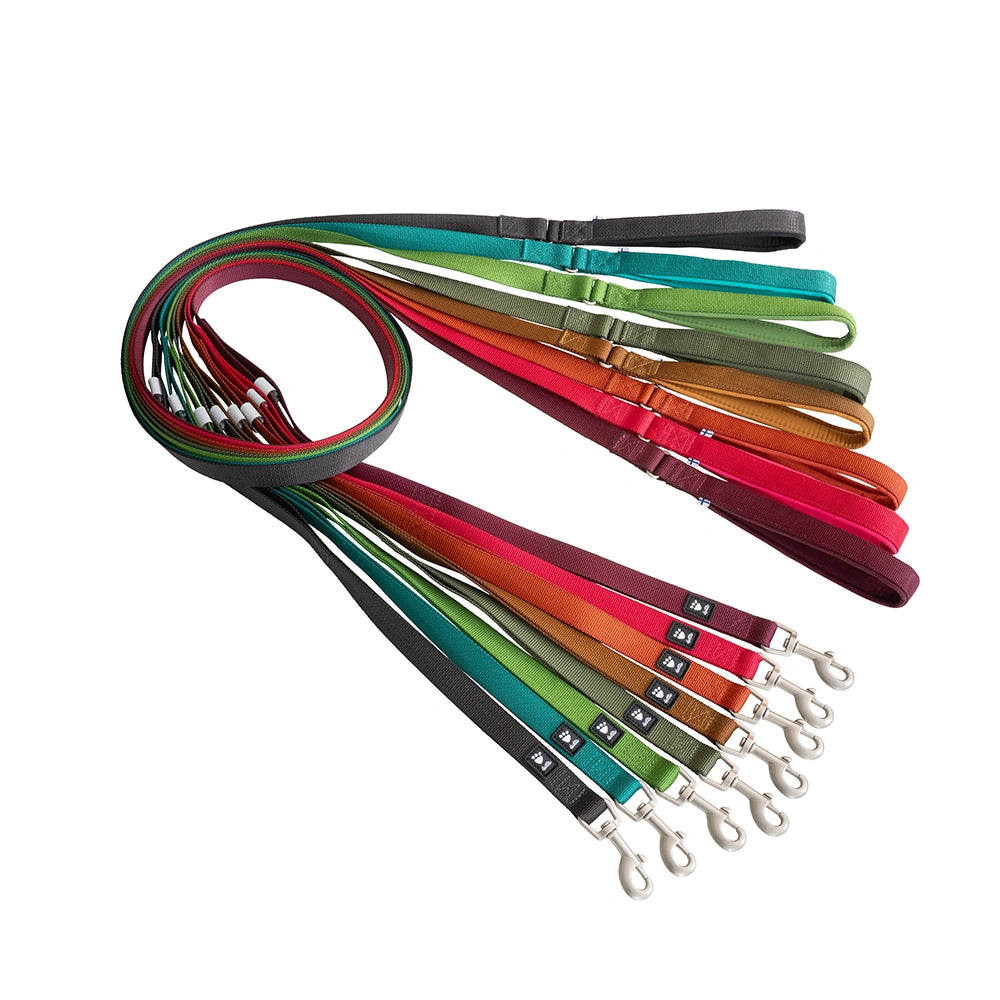


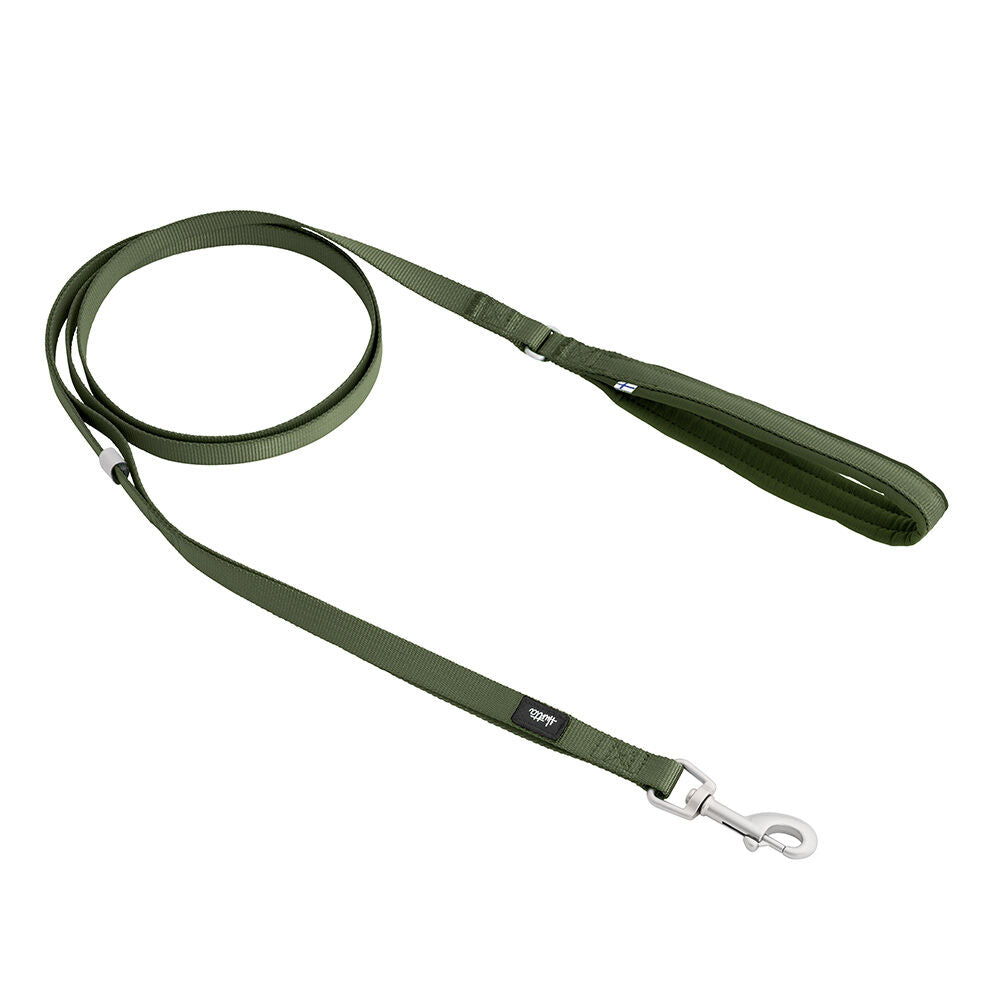


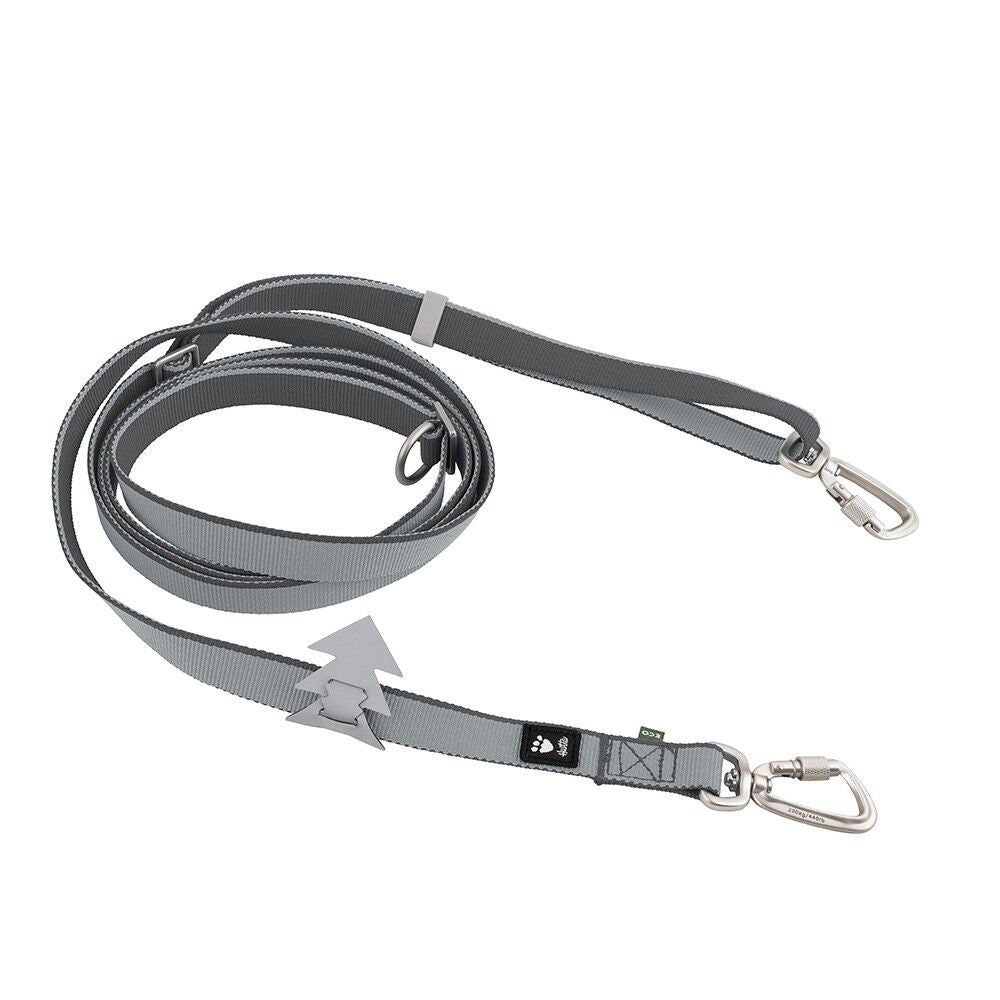
Multilong Leash II
Regular price
39,00 €
Regular price


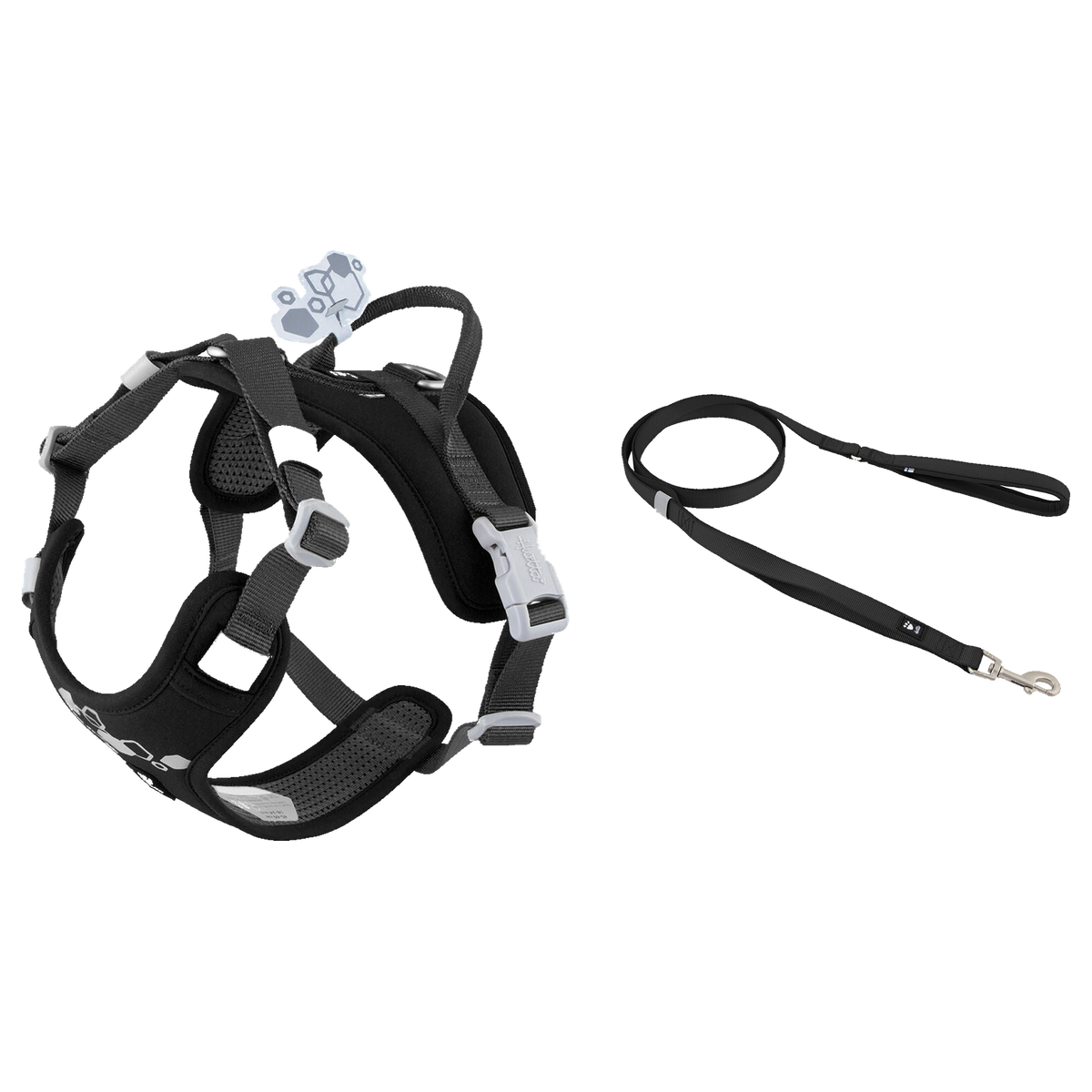
Weekend Warrior Raven Set - Harness and Leash
Regular price
From 58,00 €
Regular price
68,00 €
Sale price
From 58,00 €
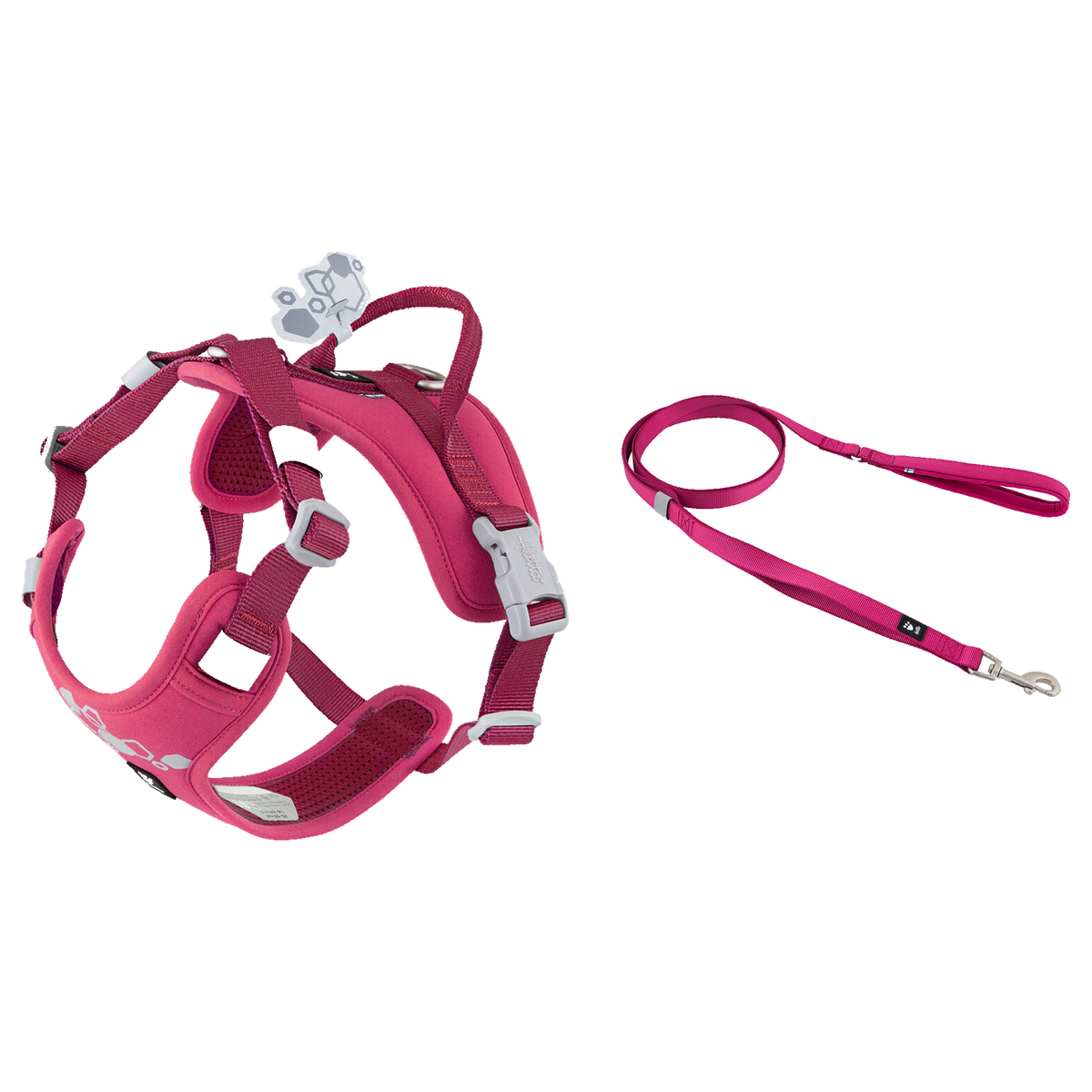
Weekend Warrior Ruby Set - Harness and Leash
Regular price
From 58,00 €
Regular price
68,00 €
Sale price
From 58,00 €

Weekend Warrior Parsley Set - Harness and Leash
Regular price
From 58,00 €
Regular price
68,00 €
Sale price
From 58,00 €

Weekend Warrior Peacock Set - Harness and Leash
Regular price
From 58,00 €
Regular price
68,00 €
Sale price
From 58,00 €
What to consider when choosing a leash?
Any and all dogs enjoy getting outdoors to explore and smell interesting places. Different dogs and different situations require different qualities and features from a leash.
The first thing to...
The purpose and use of the leash
After considering the characteristics of the dog, it is important to contemplate the purpose of the leash. In an urban area, a leash will keep your dog safe and close...